Don’t Let Gutters Wait
7 Gutter Cleaning Mistakes Costing You Thousands
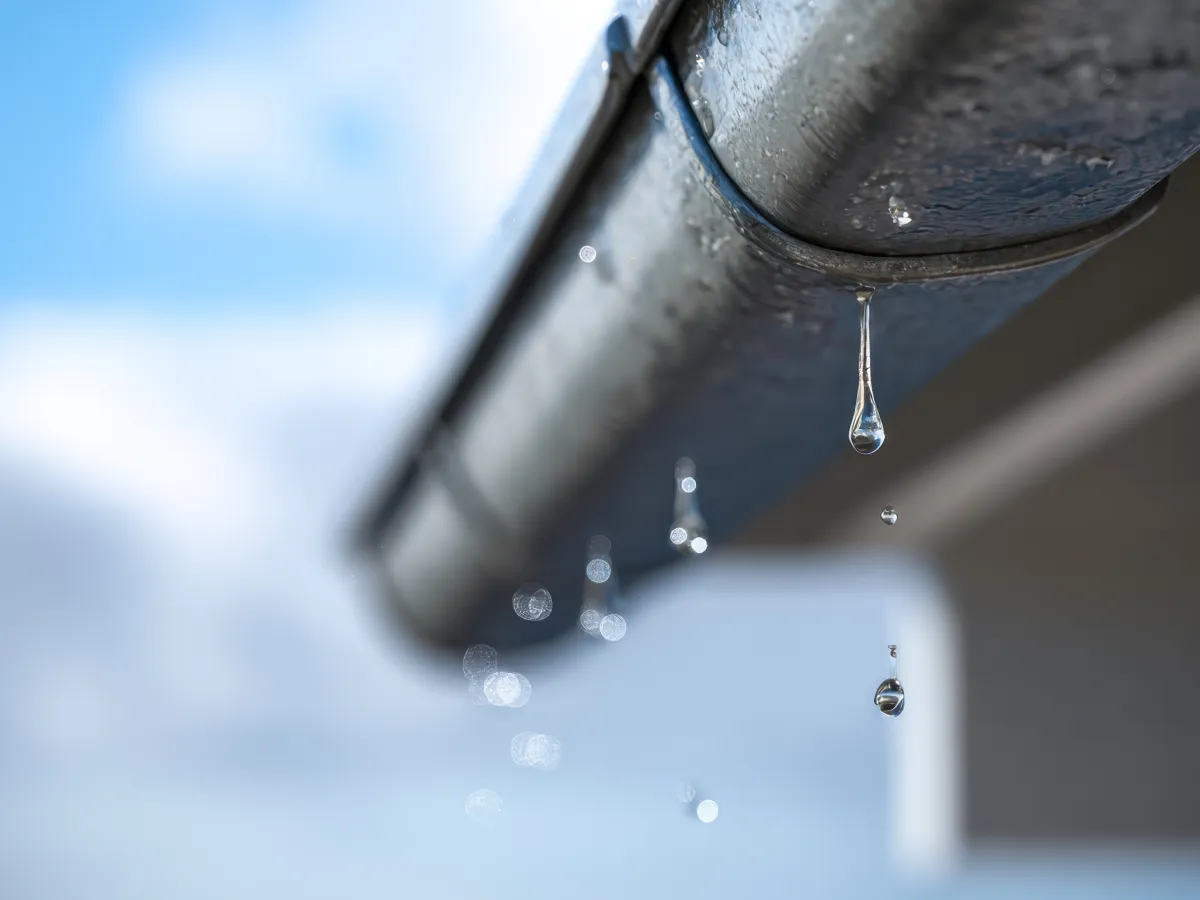
Neglecting Regular Inspections Throughout the Year
Many property owners underestimate how quickly debris accumulates in drainage systems. During the rainy season, blocked channels can overflow within hours of a storm, sending water cascading down exterior walls and pooling against foundations. This mistake becomes particularly costly when you consider that a single backed-up system can cause thousands in water damage to landscaping, basement spaces, and structural elements. Properties surrounded by oak or eucalyptus trees face accelerated buildup, with leaves and bark fragments creating dense mats that prevent proper water flow. Establishing a consistent inspection routine, particularly before winter rains arrive and after spring pollen season ends, protects your investment from preventable damage. Annual or biannual schedules leave your property vulnerable during extended periods when small problems evolve into major failures.
Clearing Channels While Overlooking Vertical Components
Homeowners frequently focus exclusively on horizontal sections while completely neglecting the vertical pathways that transport water to ground level. Even when channels appear clear, blockages within these vertical components create backups that overflow at seams and joints. Debris compacts inside these narrow passages, forming solid plugs that resist casual flushing attempts. Water trapped behind these obstructions seeps into fascia boards and soffit areas, creating ideal conditions for rot and mold development. The problem intensifies when extensions become disconnected or damaged, allowing water to discharge directly against foundation walls rather than several feet away from the structure. Testing flow patterns after clearing horizontal sections reveals whether vertical pathways function correctly, yet most DIY efforts skip this critical verification step entirely.
Selecting Wrong Tools for Thorough Debris Removal
Garden trowels, kitchen utensils, and improvised scoops damage aluminum channels, create scratches that trap future debris, and fail to remove compacted material effectively. Pressure washers applied at incorrect angles bend hangers, separate seams, and force water behind fascia boards into wall cavities. Leaf blowers scatter debris across roofing surfaces where it washes back into the system during the next rainfall, creating a counterproductive cycle. Wire brushes scratch protective coatings, accelerating corrosion that leads to premature replacement needs. Purpose-designed scoops with smooth plastic edges conform to channel contours without causing damage, while extension poles eliminate dangerous overreaching from ladder positions. Appropriate equipment completes the task efficiently while preserving system integrity, whereas improvised alternatives create new problems that exceed the cost of proper tools many times over.
Compromising Personal Safety During Elevated Work
Thousands of emergency room visits occur annually from falls during DIY maintenance projects. Leaning extension ladders directly against aluminum channels bends or crushes them, requiring repairs that cost significantly more than professional service. Overreaching to avoid repositioning creates unstable situations where balance shifts unexpectedly, particularly when handling tools or debris-filled containers. Worn ladder feet slip on damp concrete or uneven soil, while failure to maintain three-point contact increases fall risk exponentially. Working alone means no one can stabilize the base, call for help during emergencies, or hand up tools and supplies safely. Properties with multi-story sections, steep roof pitches, or structures near power lines present hazards that require specialized equipment and training to navigate safely. Medical bills, lost work time, and potential long-term injury consequences dwarf the modest expense of hiring qualified professionals who carry proper insurance and safety equipment.
Missing Visual Cues That Indicate Developing Problems
Staining patterns on siding, small amounts of vegetation sprouting from channels, and minor sagging sections signal problems that worsen rapidly without intervention. Peeling paint near the roofline indicates moisture intrusion from overflowing water that seeps behind protective surfaces. Separated seams leak small amounts during light rain but become torrents during heavy downpours, saturating insulation and creating interior damage. Granule accumulation below outlets reveals accelerated roof deterioration requiring inspection before warranty coverage expires. Rust spots and white corrosion deposits mark areas where protective coatings have failed and material degradation has begun. Foundation cracks, basement moisture, and settling issues often trace back to improper drainage that redirects thousands of gallons against structural elements. Addressing these indicators promptly costs hundreds, while ignoring them until catastrophic failure occurs requires expenditures reaching five figures for foundation repair, mold remediation, and structural restoration. Working with qualified professionals who document system condition creates baseline records for tracking deterioration patterns and planning proactive interventions before emergency situations develop.